For startups with small budgets, marketing tools and literacy often make the biggest impact. Online marketing is the cornerstone of any growing business, which is why founders and small teams must dedicate time to it every single day.
However, the sheer volume of marketing advice and channels can be overwhelming. To help you build your skills, we have compiled nine actionable ideas to learn and master the fundamentals of digital marketing.
1. Study Real Marketing Data and Charts
Analyzing industry data and reports is a great way to understand what channels are working and where consumer attention is shifting.
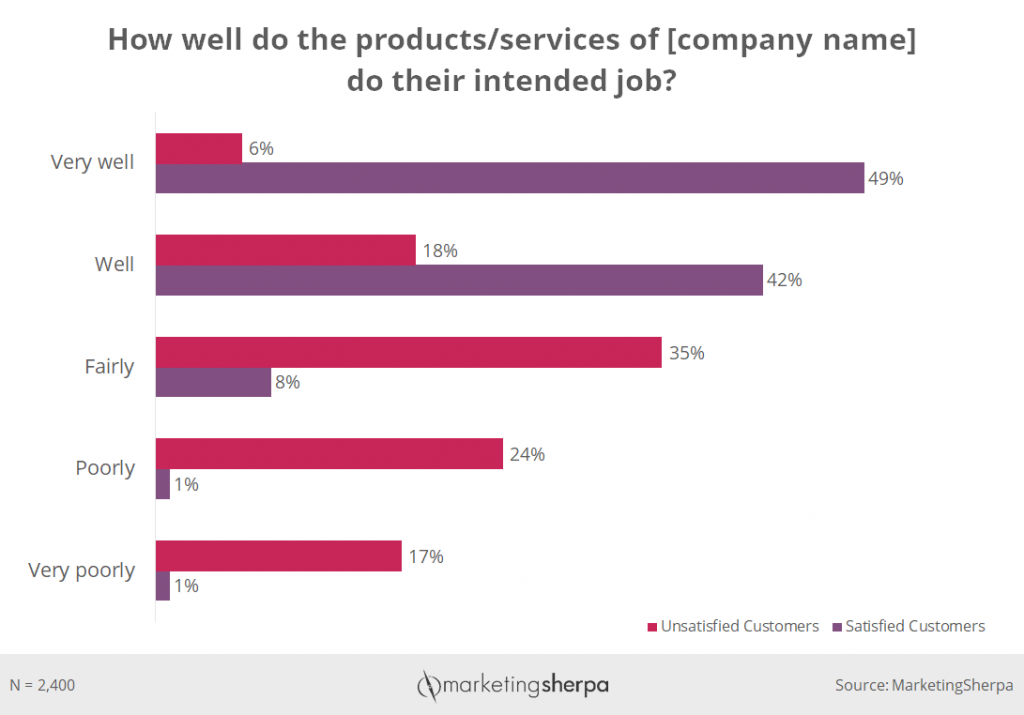
When reviewing marketing charts and data, look for comparisons between channels (such as email vs. social media organic reach). Identifying which channels deliver the highest ROI or conversion rates can help you allocate your limited budget to the most effective strategies.
2. Read Classic In-Person Marketing Books
Before diving into digital tactics, it is crucial to understand foundational consumer psychology. Some of the best books for this include:
- Influence: The Psychology of Persuasion by Robert Cialdini — The definitive book on why people say “yes” and how to apply these principles ethically in business.
- Positioning: The Battle for Your Mind by Al Ries and Jack Trout — Explains how to position your brand in the mind of the consumer to stand out in a crowded market.
- The 22 Immutable Laws of Marketing by Al Ries and Jack Trout — A quick, punchy guide outlining the fundamental rules that govern success and failure in marketing.
3. Read Digital-First Marketing and Copywriting Books
Once you have a grasp of the fundamentals, read books that focus on digital execution and writing:
- The Secrets of Sales Success by Richard Wray — A classic guide to translating marketing leads into real business revenue.
- Everybody Writes by Ann Handley — An essential guide to creating customer-focused web copy that drives engagement and trust.
- Snack on Success: The Innovative Marketing Approach by Andrew Mills — A helpful look at branding, image building, and changing consumer perceptions to drive sales.
4. Listen to Focused Marketing Podcasts
Podcasts are a convenient way to stay current with digital trends during your commute or daily routine. Look for shows that cover concrete topics like SEO, copywriting, and conversion rate optimization (CRO) rather than generic business banter.
5. Watch Practical Video Walkthroughs
Visual guides and video case studies are excellent for learning the technical side of marketing. If you want to learn how to set up Google Analytics, launch a Facebook ad campaign, or configure an email automation sequence, step-by-step video tutorials can make the learning process much smoother.
6. Read Industry-Leading Marketing Blogs
Bookmark a few high-quality, frequently updated blogs that publish data-driven case studies:
- A Winning Mix — A digital marketing blog with excellent deep dives into lead generation and brand strategy.
- Boosted Blog — Offers great, actionable guides on search visibility and technical marketing tactics.
- Daily Marketing Blog — A reliable daily resource for quick tips, news updates, and campaign teardowns.
7. Pay Close Attention to Customer Reviews
One of the most practical ways to learn what works is by studying online reviews—both of your own products and those of your competitors. Reading reviews helps you understand customer pain points, the language they use to describe their needs, and what they value most. You can use this exact language in your copywriting to write more persuasive sales pages.
8. Participate in Professional Marketing Forums
Join communities where marketers and founders share real experiments and results. Communities like Indie Hackers, GrowthHackers, and active marketing subreddits allow you to ask questions, get feedback on your work, and see what tactics are currently working for other businesses.
9. Take a Structured Online Course
If you prefer structured learning, consider taking an online course. Look for reputable, free certifications like the HubSpot Academy courses, Google Analytics Academy, or courses on platforms like Coursera. These provide a structured path to learning the basics and validating your knowledge.